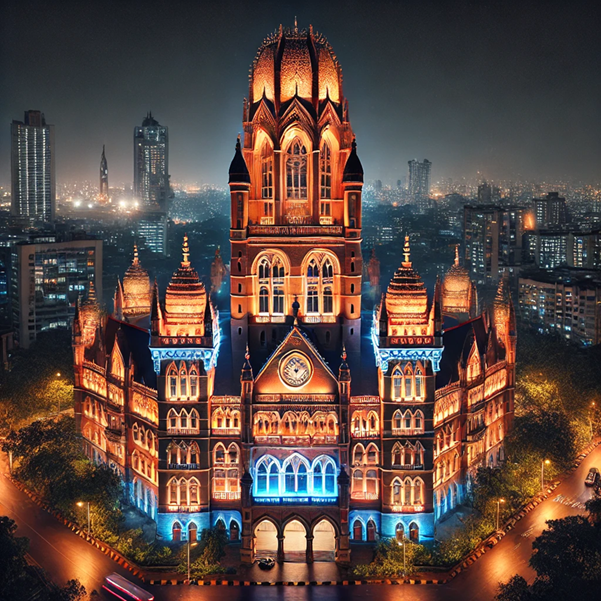
The Brihanmumbai Municipal Corporation (BMC), also known as the Municipal Corporation of Greater Mumbai (MCGM), is India’s richest civic body. It manages Mumbai's vast and complex urban framework, with an annual budget surpassing that of several Indian states. Established under the Bombay Municipal Corporation Act of 1888, the BMC’s responsibilities extend to managing civic infrastructure, public health, sanitation, and disaster management, making it integral to the city’s day-to-day functioning.
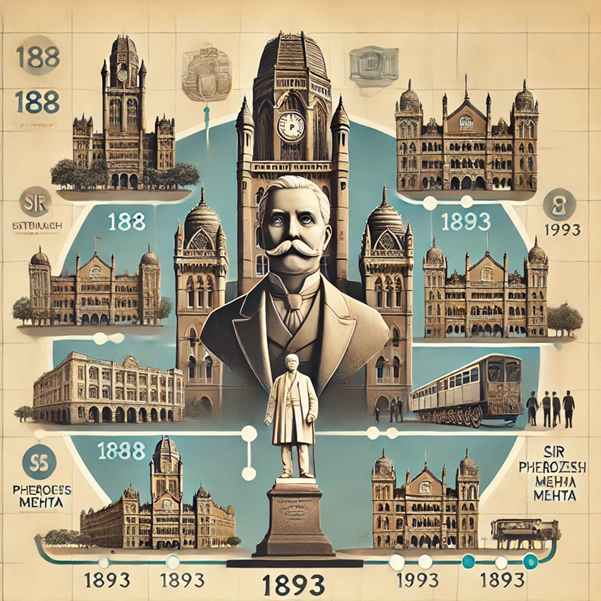
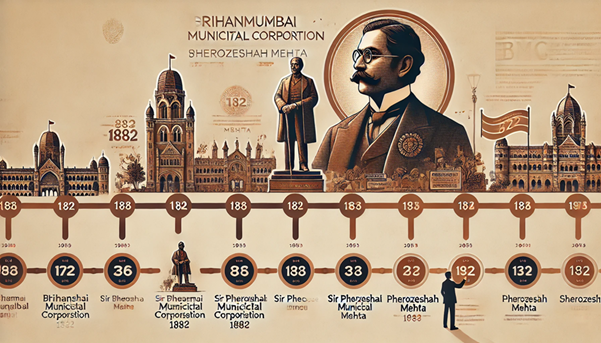
The BMC traces its origins to 1805, with civic governance formalized under the British in 1865. Sir Pherozeshah Mehta, a prominent Indian nationalist, was instrumental in drafting the 1872 Act that shaped modern municipal governance in Bombay (now Mumbai). The BMC’s iconic headquarters was completed in 1893. Over the decades, the BMC has evolved into one of India’s most influential local self-governing institutions.
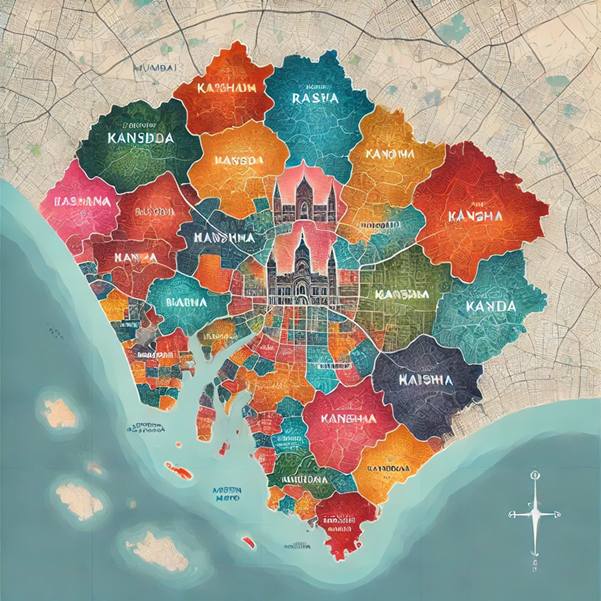
The Municipal Commissioner, an IAS officer, leads the BMC and wields executive power, supported by elected corporators. For effective governance, Mumbai is divided into seven zones and multiple wards to manage its 18-million-strong population. Key functions include water supply, road maintenance, waste management, and disaster response.
The BMC’s initiatives shape daily life in Mumbai. It maintains critical infrastructure such as roads, bridges, water supply, and drainage systems. In public health, it manages hospitals, vaccination drives, and disease control programs. Education is a focus area, with BMC-run schools emphasizing holistic learning through digital classrooms and extracurricular activities. The BMC is also committed to environmental conservation through biodiversity projects and eco-friendly measures like plastic bans.
Controlling the BMC is pivotal due to its financial clout and administrative reach. Political parties fiercely contest municipal elections to gain control. Recent trends highlight the dominance of alliances like the Maha Vikas Aghadi (MVA) and Mahayuti. Allegations of corruption, governance issues, and election malpractices often cloud the political environment, making the BMC elections highly consequential.
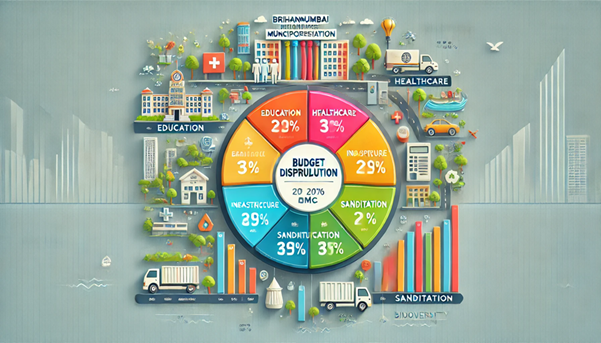
The BMC’s revenue primarily comes from property taxes, water charges, development fees, and state grants. For the fiscal year 2024-25, the BMC’s budget is estimated at ₹50,000 crore, with significant allocations for infrastructure projects such as metro lines and road concretization. Despite its strong financial position, project delays, cost overruns, and bureaucratic inefficiencies challenge fiscal management.
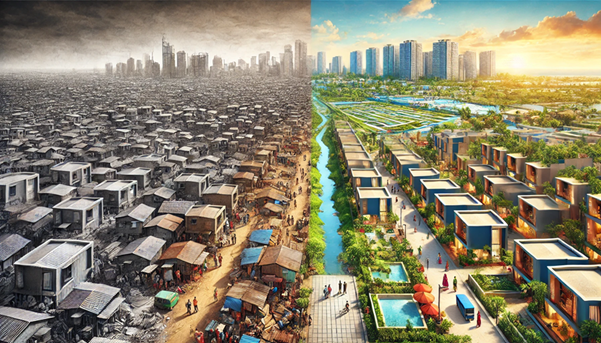
Urban redevelopment projects like Dharavi’s transformation face hurdles in land acquisition and legal disputes. Environmental concerns, such as the Metro Line 3 depot in Aarey Colony, highlight the delicate balance between development and ecological preservation. Additionally, low voter turnout in municipal elections reflects the need for enhanced public awareness about the BMC’s critical role in governance